9+ curated guides • Updated November 2025
You think you chose the Tour of Italy on your own, but did you? The Olive Garden menu is more than a guide to your meal; it's a carefully constructed map designed to guide your decisions and your dollars. We're exposing the subtle science of menu engineering, from decoy dishes to strategic descriptions, that influences you before you ever take a bite of a breadstick. As a consumer psychologist, I don't see pasta and proteins; I see a masterclass in persuasion, a silent salesperson working on every single customer. This is the blueprint that turns your vague craving for Italian food into a specific, profitable order.
We’ve been taught that luxury is meant to be seen—the unmistakable logo on a handbag, the flash of a designer watch. But what if the most profound luxury is the kind no one else ever notices? This is the world of private indulgence, where the ultimate status symbol is a secret kept only for yourself. For years, I navigated the gilded halls of heritage brands, watching fortunes being spent on items designed to broadcast success. Yet, the clients I most admired were the ones who purchased for an audience of one. They understood that true luxury isn't a shout; it's a whisper. It's the intimate dialogue between you and a beautifully crafted object, a conversation no one else needs to overhear.
Before you say a single word, your tie has already spoken for you. From the bold power statement of a Full Windsor to the casual nonchalance of a Four-in-Hand, each style carries a secret history of class, rebellion, and ambition. Are you sure you're sending the right message? This is not a mere style guide; it is a semiotic deep dive. The necktie, a direct descendant of the Croatian cravat, has evolved from a military marker into the primary canvas for masculine expression in formal and professional settings. The fabric, the pattern, the width—all are important. But the knot is the verb in the sentence. It is the action, the intent. It is where the wearer imposes his will upon the fabric, and in doing so, broadcasts a wealth of information about his personality, his background, and his aspirations for the day.
Ready to trade the open ocean for Europe's scenic rivers without leaving behind the modern luxury you love from Celebrity? Before you get lost searching for a ship that doesn't exist, let's uncover the insider's secret to finding a river cruise that truly matches that signature Celebrity vibe. Many loyal Celebrity fans make the logical leap: they love the onboard experience and want to replicate it on the Danube, Rhine, or Seine. The only hiccup? Celebrity Cruises, the master of the large, modern-luxury ocean vessel, doesn't operate its own river fleet. But don't despair. This isn't a dead end; it's a doorway to a new style of travel. As your guide, I'll help you translate what you love about Celebrity—the design, the dining, the service—into the intimate language of river cruising and pinpoint the lines that speak it fluently.
You're scrolling DoorDash and discover 'The Wing Wagon' with incredible photos. Before you order, consider this: there's a good chance that restaurant doesn't have a front door, a dining room, or even its own sign. This is the new reality of delivery apps—a hidden world of 'ghost kitchens' that are changing how we eat, and it's time you learned how to navigate it. This isn't a glitch in the app; it's a feature of the new food economy. These digital-only storefronts, also known as virtual brands, operate out of existing restaurant kitchens or centralized commissaries, built from the ground up for delivery. They exist as data, a menu, and a brand name, but not as a place you can visit. In this guide, we're pulling back the curtain. I'll show you exactly how to become a ghost kitchen detective, weigh the real-world pros and cons, and understand the massive technological and economic shifts powering this culinary phantom.
Remember the rush for that vibrant cut-out tote or the teeny-tiny micro-bag in 2022? We all do. But now that the dust has settled, it's time to audit our closets and ask the tough questions: which of these 'it' bags are still earning their keep, and which were just a one-season wonder? As a fashion economist, I view the closet not as a collection of clothes, but as a portfolio of assets. Some appreciate, some hold steady, and some, unfortunately, depreciate faster than last season's avocado toast trend. This audit isn't about regret; it's about education. By dissecting the economic lifecycle of 2022's most-hyped handbags, we can develop a more discerning eye for future acquisitions, ensuring our style capital is invested wisely.
It always seems to happen in threes. This week, as news broke of three notable figures passing, that old superstition likely echoed in your mind. But is this a cosmic pattern, or a cognitive bias our brains use to find order in the chaos of loss? As a media psychologist, I can tell you it's firmly the latter. The 'Celebrity Rule of Threes' isn't a mystical law governing Hollywood; it's a powerful reflection of our own neurological wiring. Our brains are fundamentally pattern-detection machines, designed to create meaning from random data points. This article delves into the cognitive architecture behind this phenomenon, exploring why we subconsciously group tragedies and how this shared superstition shapes our public and private grieving processes.
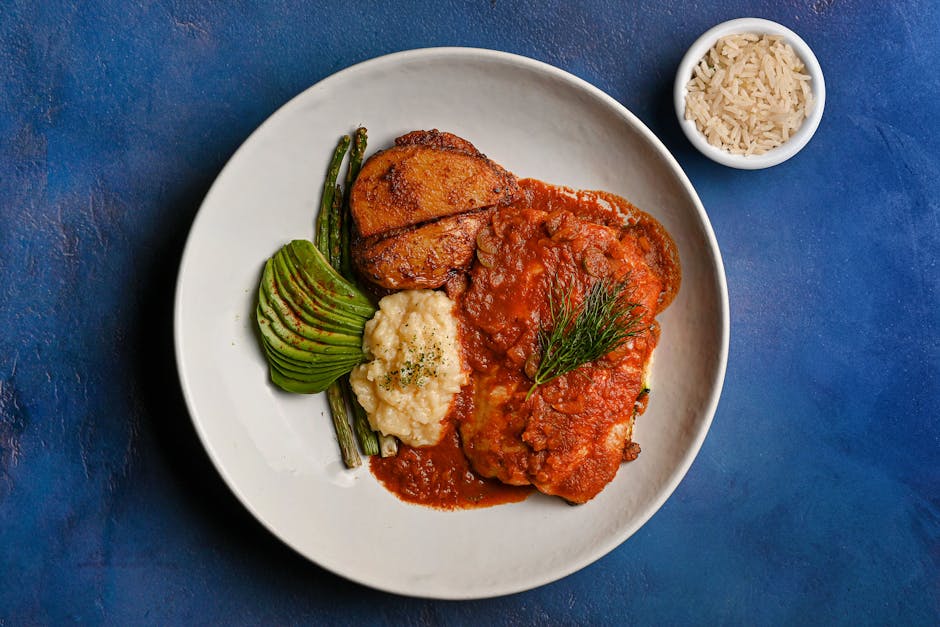
You don't need another mashed potato recipe. You need a system. The debate between fluffy, creamy, or rustic isn't about secret ingredients; it's about controlling the science of starch. Forget what you've been told—we're ditching the 'perfect' recipe to give you the master formula for creating your perfect texture, every single time. For years, you've been blindly following instructions, hoping for a consistent outcome. The result is often a lottery: sometimes perfect, sometimes a gluey disappointment. This ends today. We are not making mashed potatoes; we are engineering them. By understanding and manipulating three core variables—Starch Type, Fat Emulsion, and Mechanical Shear—you gain complete control. This is the Potato Texture Matrix, a universal framework that empowers you to build your ideal mashed potato from the ground up, whether you crave the airy peaks of a steakhouse classic or the decadent, purée-like silkiness of a fine-dining restaurant.
You've seen the gorgeous designer bag on Instagram, sighed at the four-figure price tag, and resigned yourself to window shopping. But what if the secret to that luxury look wasn't saving up, but a £15 tote from Max Fashion and a bit of creativity? We're not just finding dupes; we're creating one-of-a-kind statement pieces, and we'll show you exactly how. This isn't about settling for less; it's about hacking the system. We see that simple, well-constructed Max bag not as an endpoint, but as the perfect blank canvas. It’s the foundational architecture for a piece that will have everyone asking, “Where did you get that?” Forget the brand name; we’re here to build a legacy of our own making, one stitch and one hardware swap at a time.